Top Nail Salons in Toronto (20
This guide reflects Beauty Bloom’s 2025 Toronto nail salon selection. For current options, browse beauty businesses in…

Latest Updates

Interesting Article

This guide reflects Beauty Bloom’s 2025 Toronto nail salon selection. For current options, browse beauty businesses in…

Various Spa Services Canada is a wonderful tourist destination that combines stunning nature with luxurious hospitality. With…

Improve Foot Health: Care starts from the bottom.Your feet bear the brunt of your day, yet they're…
Best hand cream choices can make a noticeable difference when your hands feel dry, rough, tight, or…
Nails Salons
Hair Salons
SPA
Skincare Clinic
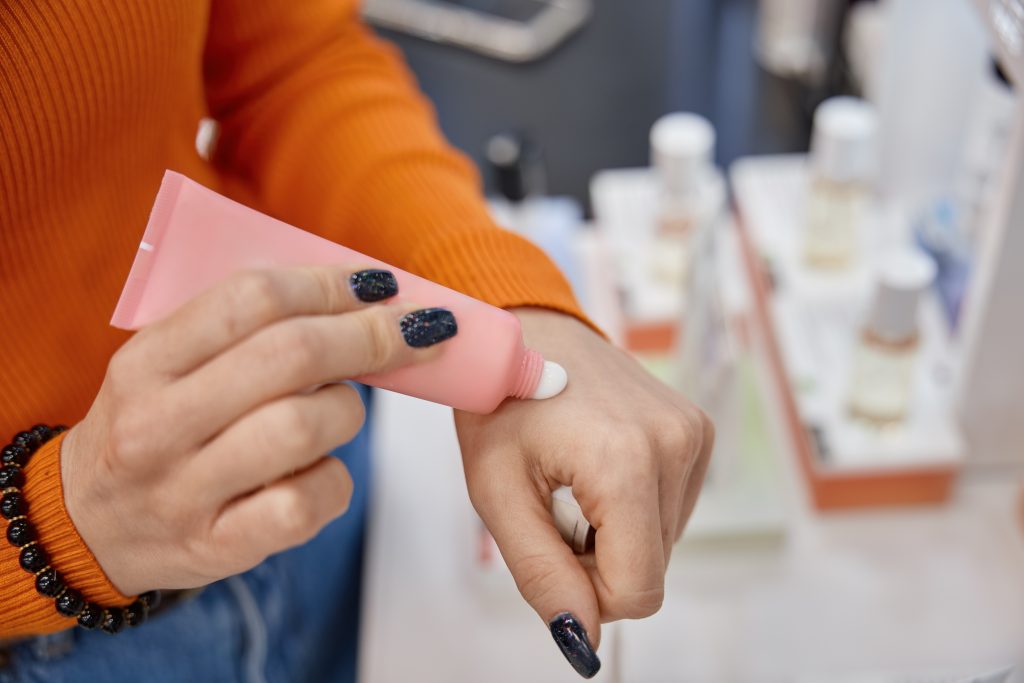
Best hand cream choices can make a noticeable difference when your hands feel dry, rough, tight, or cracked, especially after frequent handwashing, cold weather, or using hand sanitizer. However, not every moisturizer is designed to give dry hands the barrier support they need.
The right hand cream should do more than make your skin feel soft for a few minutes. Look for formulas that help reduce moisture loss and support the skin barrier, with ingredients such as glycerin, shea butter, mineral oil, petrolatum, dimethicone, or ceramides. Dermatologists generally recommend creams or ointments over lightweight lotions for very dry skin.
A good hand cream should balance hydration, protection, comfort, and ease of use. The best choice depends on how dry your hands are and how often you need to apply it.
Some of the most useful ingredients for dry hands include:
The American Academy of Dermatology recommends creams or ointments containing ingredients such as glycerin, hyaluronic acid, mineral oil, petrolatum, shea butter, and dimethicone for dry skin.
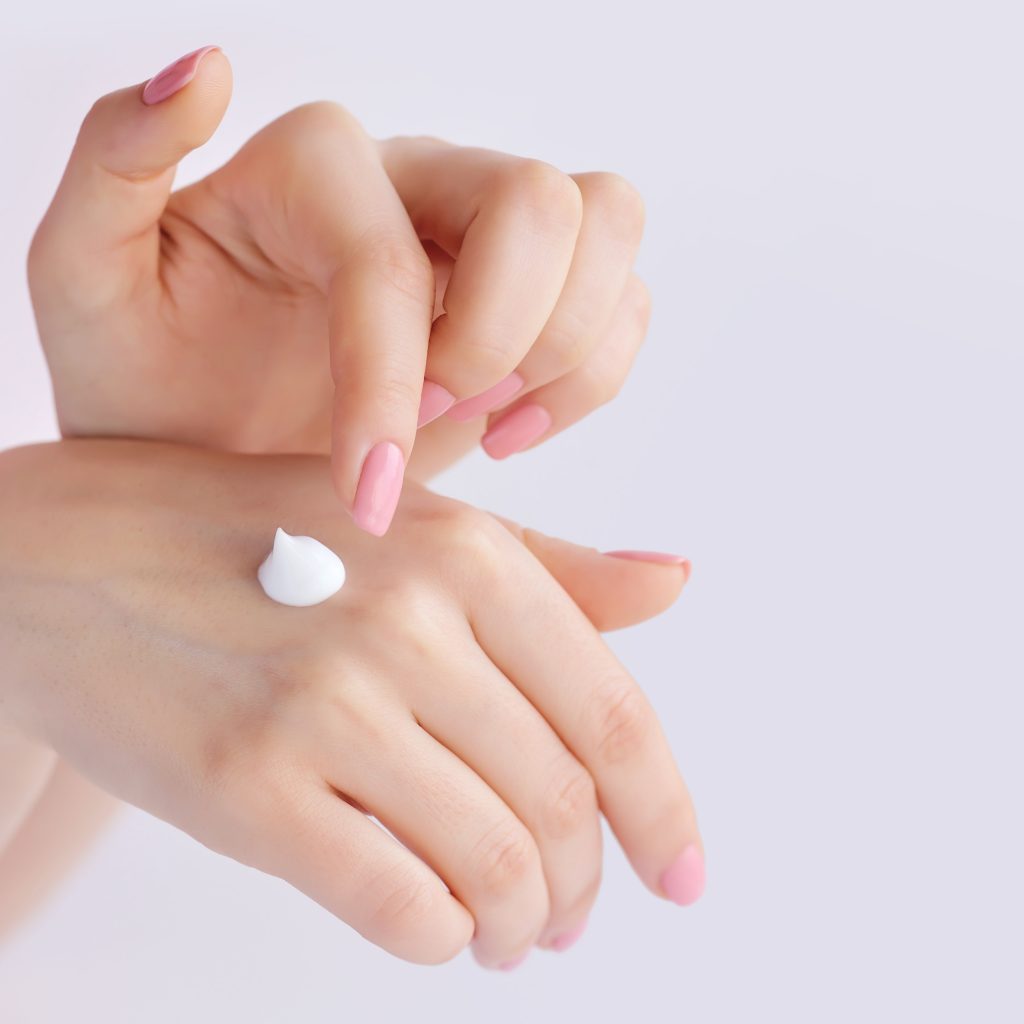
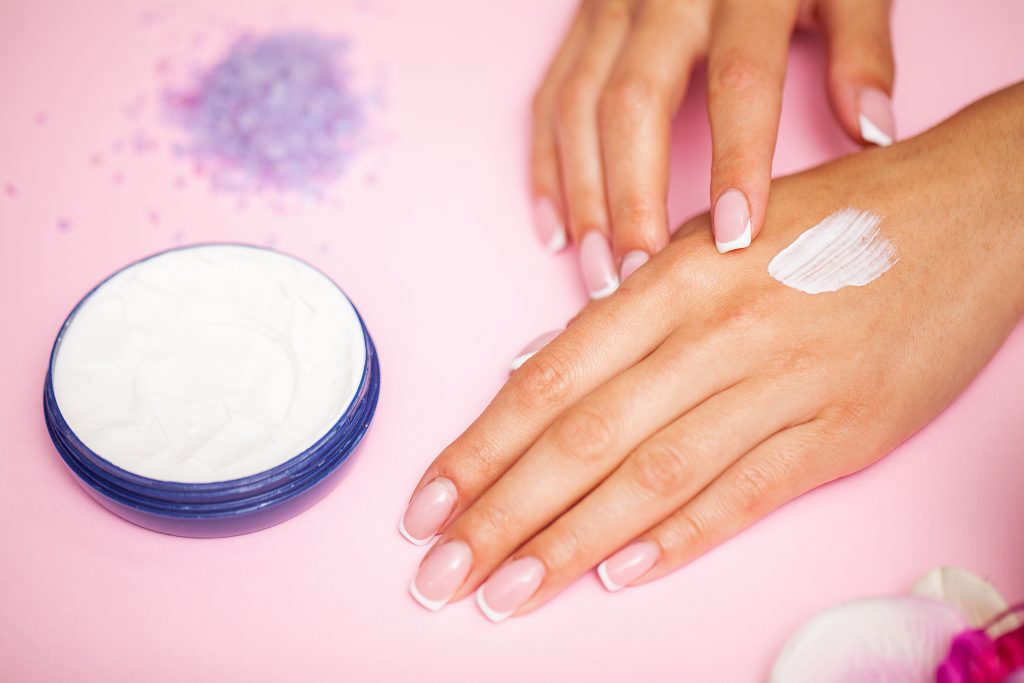
If your hands are irritated, cracked, or prone to sensitivity, a fragrance-free hand cream can be a better choice than a heavily scented formula.
In particular, don't assume that "unscented" always means fragrance-free. The AAD notes that unscented products can still contain ingredients used to mask odors.
There isn't one product that is the best hand cream for everyone. Someone with mildly dry hands may prefer a lightweight moisturizer, while someone with deep cracks may need a richer cream or ointment.
Choose a rich cream or ointment with ingredients that help create a protective barrier. Thicker formulas are particularly useful at night when you don't need to worry about a greasy finish.
For extremely dry skin, ointments generally contain more oil than creams and are better at reducing moisture loss.
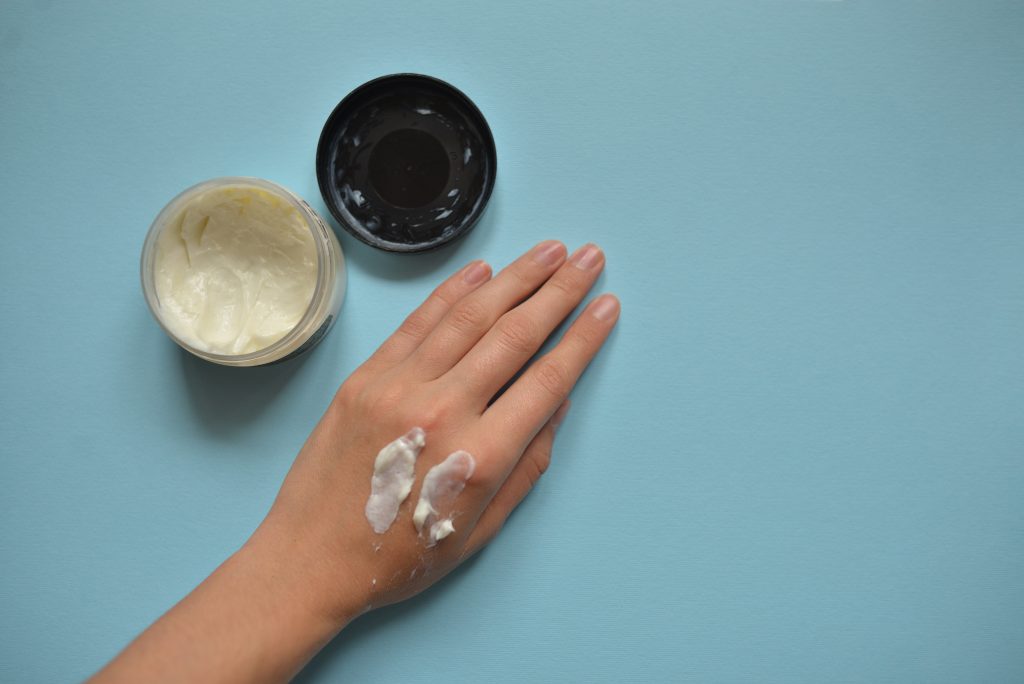
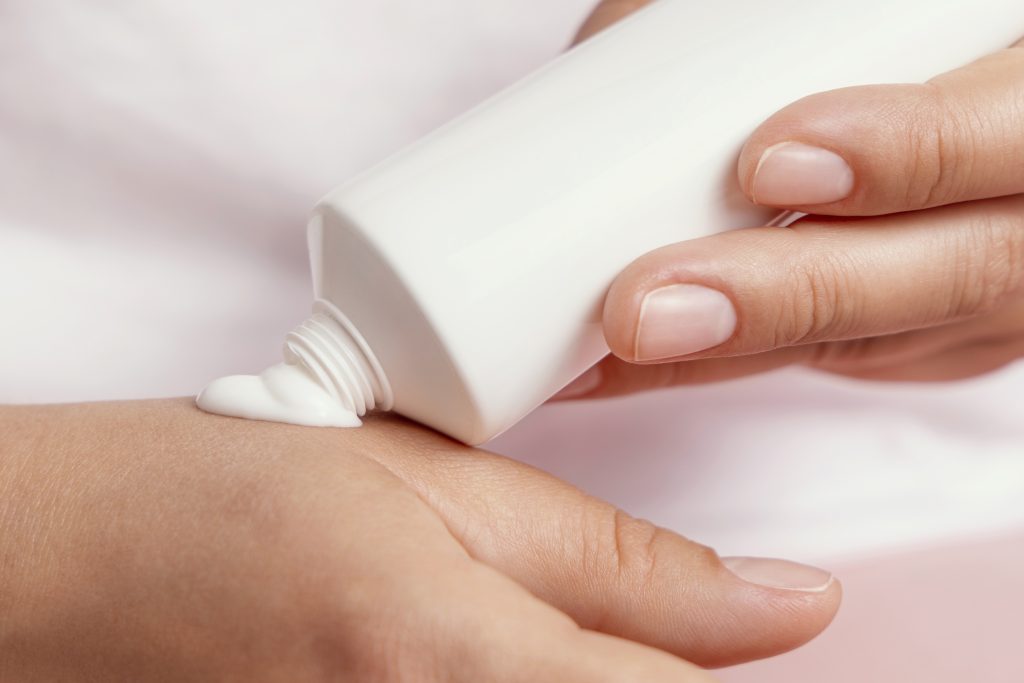
If you wash your hands frequently, choose a hand cream that absorbs reasonably quickly and is comfortable enough to reapply throughout the day.
Keeping a small tube near the sink, in your bag, or at your desk makes regular application much easier.
When skin becomes cracked, hydration alone may not be enough. A richer cream or ointment can help protect the damaged skin while reducing further moisture loss.
Apply moisturizer while your hands are still slightly damp after washing. The AAD specifically recommends applying hand cream or ointment after washing to help relieve dry, cracked skin.
For sensitive or easily irritated hands, prioritize a fragrance-free, dye-free cream or ointment with a simple formula.
If a product consistently causes burning, redness, itching, or worsening irritation, stop using it and consider speaking with a pharmacist or dermatologist.
The following products can be included in a hand-care routine depending on your specific needs. They are not all interchangeable, so consider the purpose of each product before choosing one.
Even the best hand cream won't work as effectively if you only use it occasionally.
Follow these simple steps:
Dermatologists recommend moisturizing after handwashing, and NHS guidance also recommends applying emollients frequently when the skin is dry.
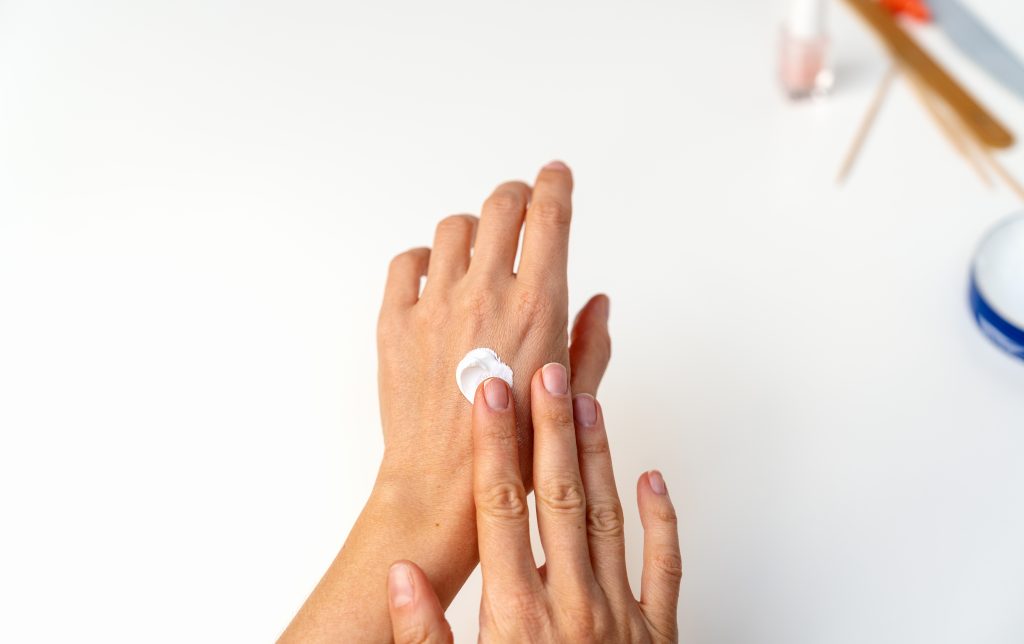
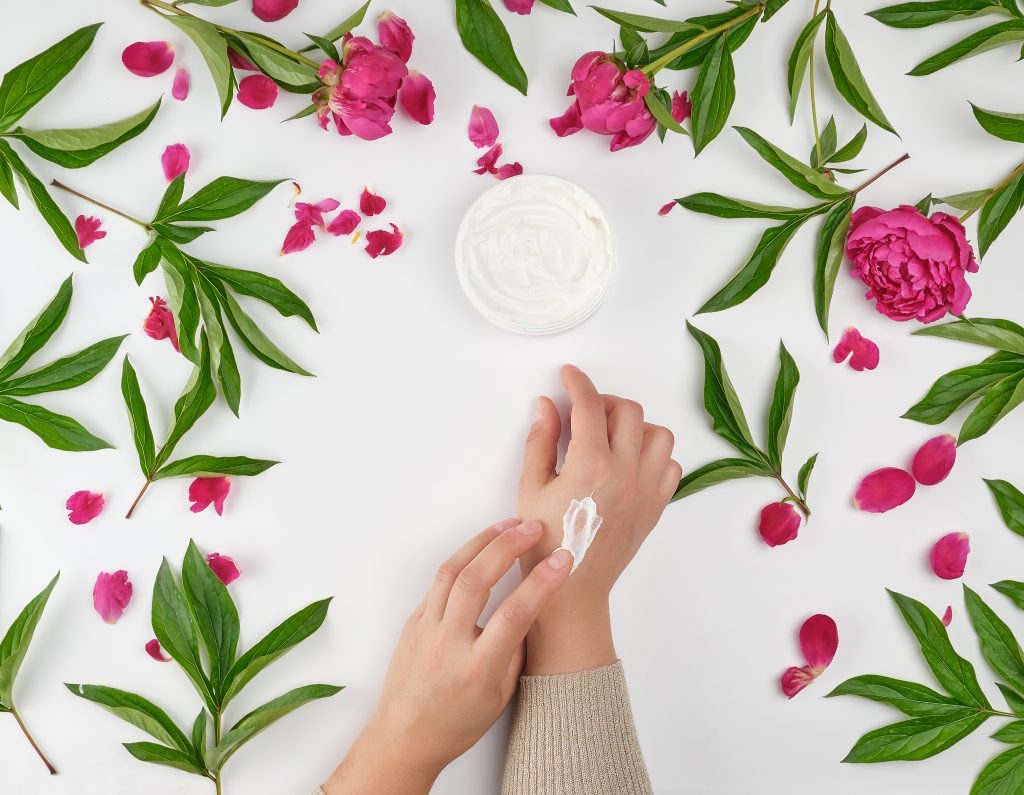
Sometimes the problem isn't that you haven't found the right hand cream. Your daily routine may be continuously removing moisture from your skin.
Common causes include:
Frequent washing and sanitizing can contribute to dryness, but you should not stop washing your hands when needed. Instead, moisturize immediately afterward to help protect the skin.
Choosing the right texture can make a big difference.
| Type | Best for | Feel |
|---|---|---|
| Lotion | Mild dryness | Lightweight |
| Cream | Everyday dry hands | Rich but comfortable |
| Ointment | Very dry or cracked skin | Thick and greasy |
Generally, creams offer a good balance for daytime use, while ointments can be especially useful for very dry skin and overnight care.
The best times to apply hand cream include:
For very dry hands, applying a richer moisturizer at night gives it more time to stay on the skin without being washed away.
The best hand cream for very dry hands is usually a rich cream or ointment containing moisturizing and barrier-supporting ingredients such as glycerin, shea butter, petrolatum, mineral oil, or dimethicone.
For cracked hands, look for a fragrance-free cream or ointment that helps reduce moisture loss. Apply it after handwashing while the skin is still slightly damp.
If cracks are deep, painful, bleeding, or persistent, they may require professional evaluation rather than moisturizer alone.
You can apply hand cream whenever your hands feel dry and after washing them. If your hands are very dry, you may need to moisturize several times throughout the day.
For dry hands, creams and ointments are generally more moisturizing than lotions. Lotions are lighter and may be more comfortable for mild dryness, while creams provide a useful middle ground for everyday use.
Look for ingredients such as glycerin, shea butter, petrolatum, mineral oil, dimethicone, ceramides, and hyaluronic acid. If your skin is sensitive, fragrance-free and dye-free formulas may be preferable.
Your hands may be exposed to frequent washing, hot water, detergents, cold weather, or other irritants that continually strip moisture from the skin. Persistent dryness, redness, itching, scaling, or painful cracks can also indicate hand dermatitis or eczema.


New Canadian beauty sales data shows prestige beauty reached $2.2 billion in the first half of 2026, with hair leading growth. Here’s what salon and spa professionals should watch.