Where to Buy Wholesale Nail Su
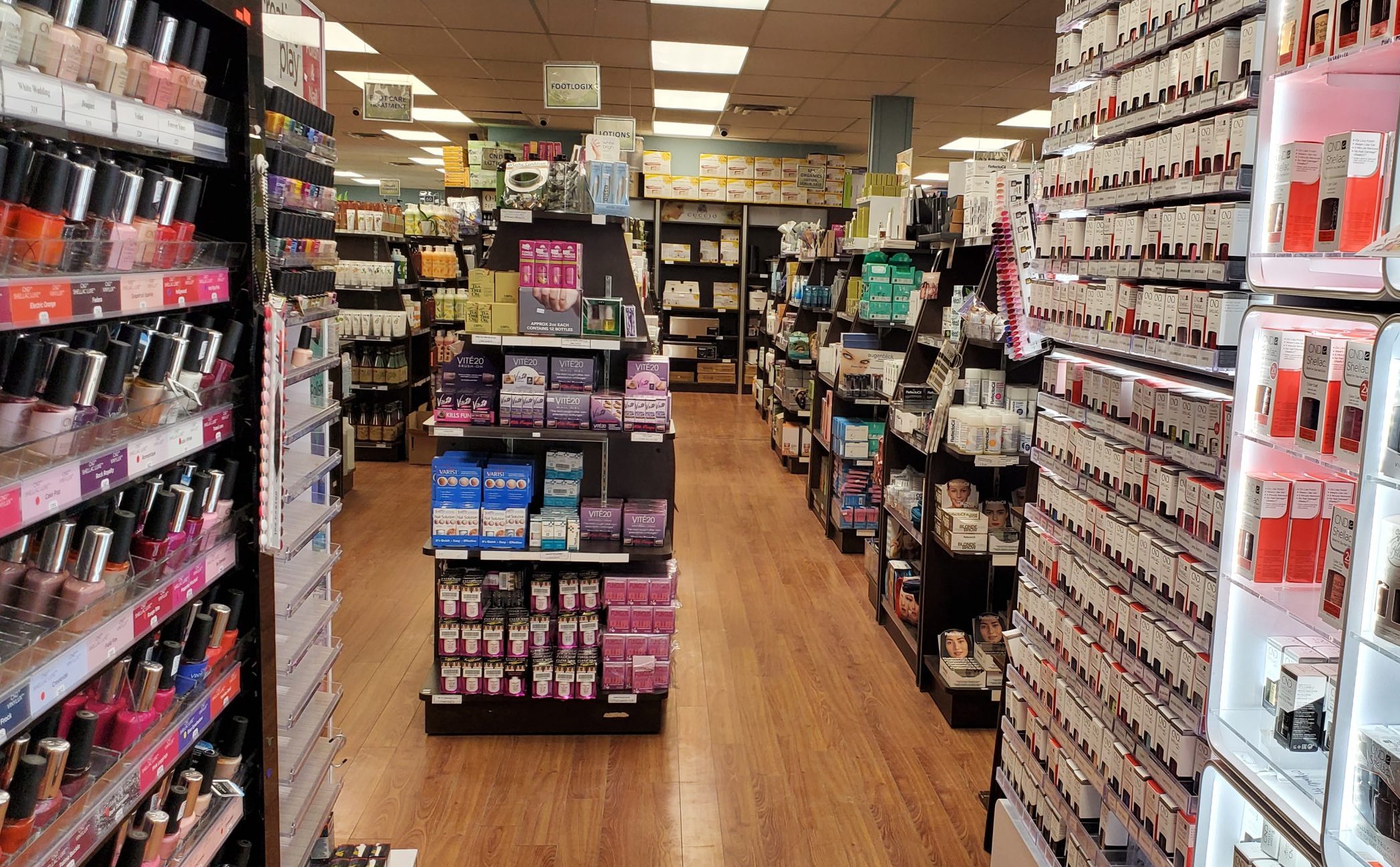
Finding a wholesale nail supply store in Canada is about more than locating the cheapest gel polish.…

Latest Updates

Interesting Article
Finding a wholesale nail supply store in Canada is about more than locating the cheapest gel polish.…

Motivational leadership: Igniting Team SpiritLeadership isn't just about giving orders or following through on tasks; it's about…

Clients often ask how to strengthen natural nails, especially when their nails are thin, peeling, soft, or…

Various Spa Services Canada is a wonderful tourist destination that combines stunning nature with luxurious hospitality. With…
Nails Salons
Hair Salons
SPA
Skincare Clinic
One of the clearest beauty-business opportunities in Canada right now is not another viral haircut or colour trend. It is hair wellness. New Canadian sales data shows clients are putting more money into scalp care, serums, treatment-focused routines and products that promise a clear, practical benefit. For salon owners, that shift can influence everything from consultations and add-on services to retail shelves and rebooking.
According to Circana’s August 2026 Canadian beauty report, prestige beauty sales reached $2.2 billion in the first half of the year, up 6% from the same period in 2025. Hair was the fastest-growing category, rising 23% year over year. Hair serum sales jumped 91%, while daily-rinse shampoo and conditioner grew 22% and 20% respectively.
| Canadian beauty indicator | First half of 2026 |
|---|---|
| Prestige beauty sales | $2.2 billion, up 6% |
| Hair category sales | Up 23% |
| Hair serum sales | Up 91% |
| Daily-rinse shampoo | Up 22% |
| Conditioner | Up 20% |
The same report found that 83% of Canadians consider self-care important. That matters because consumers are still dealing with financial pressure, but they have not stopped spending on beauty. They are becoming more selective and are favouring products that feel effective, useful and worth the money.
For a salon, this is a meaningful signal. Clients may hesitate before committing to a large luxury purchase, but many will still pay for a treatment or home-care product when they understand exactly what it is meant to do and how it fits into their routine.
Scalp care is moving from a niche conversation into mainstream hair care. Salon consultations should reflect that. A few simple questions about oiliness, product buildup, dryness, wash frequency, heat styling, chemical services and the client’s home routine can reveal opportunities for a more personalized service.
The goal is not to diagnose medical conditions. Persistent redness, pain, sores, severe itching or unexplained hair loss should be referred to an appropriate health professional. The salon opportunity is to improve cosmetic care, product selection and the overall client experience.
Many salons already use masks, treatments and specialty products, but they are often hidden inside the service instead of being presented as a clear option. A better approach is to offer a small number of understandable add-ons tied to recognizable concerns.
Keep the menu simple. Clients should be able to understand the benefit, approximate service time and price without needing a technical explanation.
The 91% growth in hair serum sales is especially interesting for salon retail. It suggests that clients are becoming more comfortable adding a targeted step beyond shampoo and conditioner. The easiest way to make retail feel useful rather than pushy is to recommend a routine.
A simple retail structure: Cleanse + Condition + Targeted Treatment.
For one client, the third step might be a scalp serum. For another, it may be a leave-in conditioner, smoothing product, bond-support treatment or heat protectant. When the recommendation is connected to the consultation and the service performed that day, the product has a reason to exist.
Retail conversion often fails because the client leaves with a product but no confidence in how to use it. If your team applies the serum, treatment or styling product during the service, explain the amount, placement and frequency in a few sentences.
This is particularly important with concentrated products. Clients are more likely to see value when they know how little they may need per application and how the product fits into the rest of their routine.
Consumers are becoming more results-focused, but that makes credibility more important, not less. Salon teams should know the main purpose of every treatment and retail product they recommend, who it is best suited for, and what it cannot realistically do.
Avoid turning cosmetic products into medical promises. Language such as “helps reduce the look of dryness,” “supports smoother-feeling hair,” or “helps remove product buildup” is clearer and more credible than exaggerated claims.
Hair wellness can also make rebooking more natural. Instead of asking only, “Do you want to book your next cut?”, connect the next visit to the client’s goal. A colour client may need a gloss and condition check. A client focused on dryness may benefit from reviewing the home-care routine after several weeks. Someone who regularly uses heavy styling products may appreciate an occasional clarifying treatment.
That creates continuity between appointments and makes the salon relationship feel more personalized.
The strongest part of the 2026 data is not simply that one type of serum is popular. It is the broader shift toward treatment-led beauty. Canadian consumers are showing that they will continue to spend when the product or service feels intentional, effective and connected to self-care.
For salons, that creates an opportunity to move beyond selling appointments alone. The businesses that combine strong technical services with useful consultations, targeted treatments and credible home-care education can increase value without relying entirely on higher service prices.
Source: Circana, “Beauty Industry Sales in Canada Grow 6% in the First Half of 2026,” August 11, 2026.
Featured photo: Lindsay Cash via Unsplash.
Explore local salons: Browse hair salons across Canada in the Beauty Bloom directory.

Compare Canadian wholesale nail supply distributors, professional account requirements, brands, equipment and hidden costs before stocking a salon.