Canada’s Beauty Market Grows 6
Canada’s beauty industry is showing stronger resilience than many discretionary categories in 2026. New data released by…

Latest Updates

Interesting Article
Canada’s beauty industry is showing stronger resilience than many discretionary categories in 2026. New data released by…

This guide reflects Beauty Bloom’s 2025 Toronto nail salon selection. For current options, browse beauty businesses in…

Improve Efficiency and Customer Experience In the world of beauty salons, managing appointments and bookings is essential…
Finding the best hair salon in Ottawa can feel overwhelming, especially with so many options offering cuts,…
Nails Salons
Hair Salons
SPA
Skincare Clinic
Clients often ask how to strengthen natural nails, especially when their nails are thin, peeling, soft, or breaking easily. For nail technicians, the solution is not simply choosing the hardest product or adding more layers.
The better approach is to identify what is making the nails vulnerable, reduce unnecessary stress, and choose services that protect the natural nail while it grows.
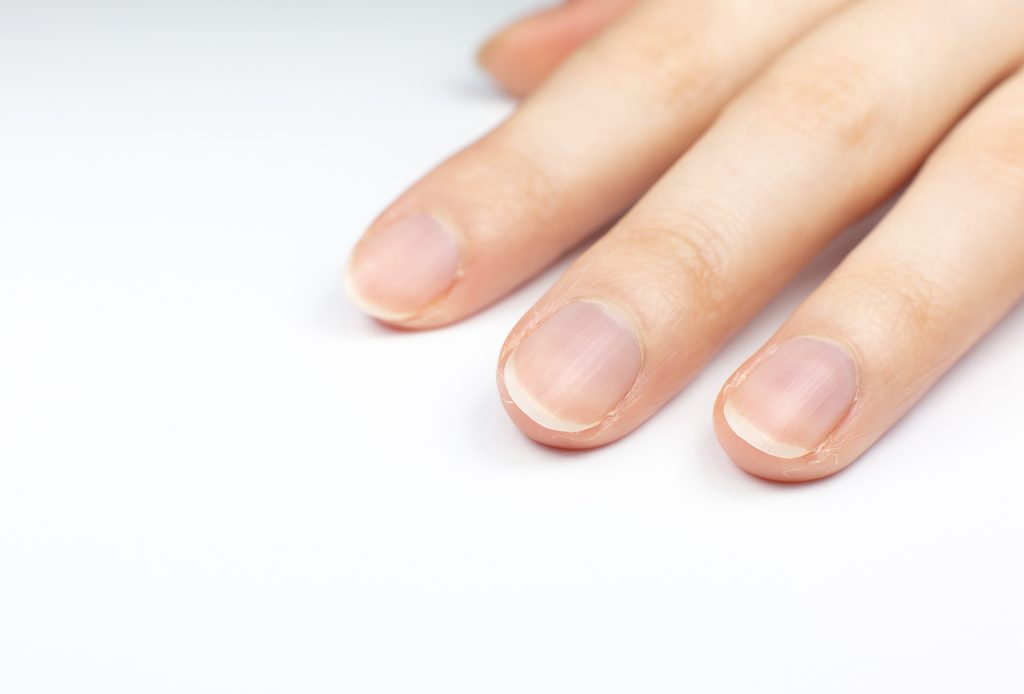
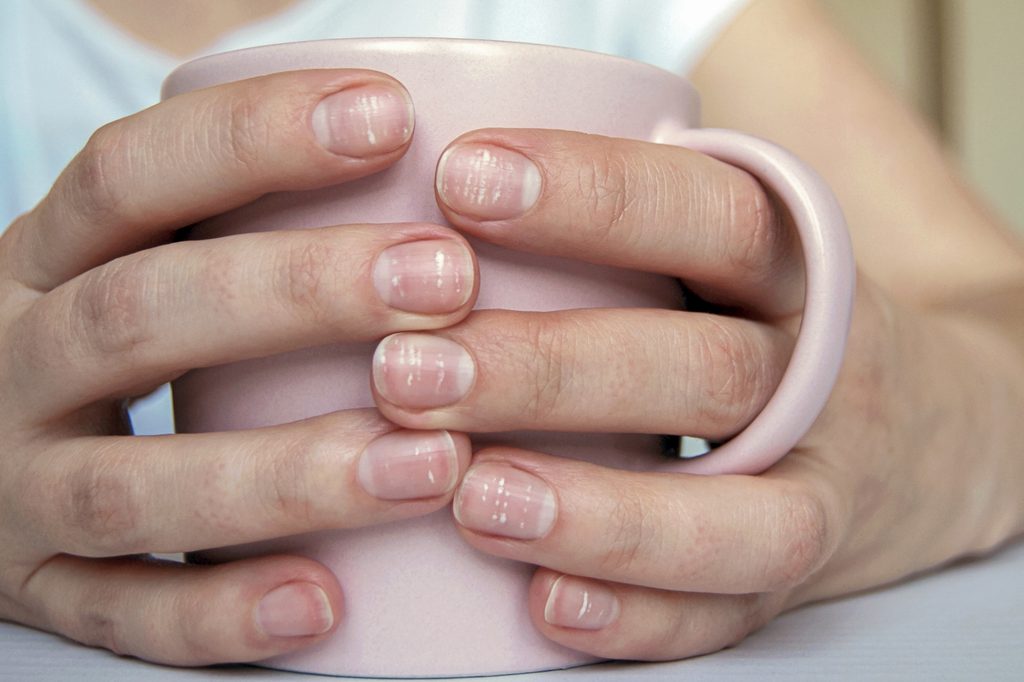
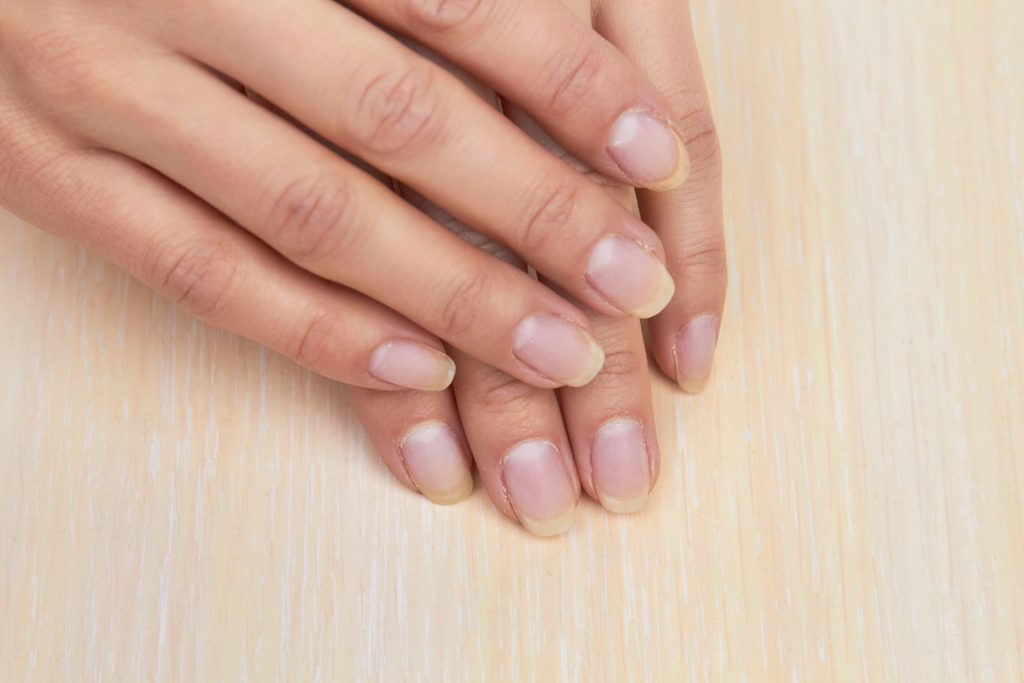
Weak nails can have several causes. Frequent exposure to water and cleaning products, nail biting, picking, physical trauma, aggressive filing, and repeated artificial nail services can all contribute to nail damage. Some nail changes can also be linked to underlying health conditions or medications.
Before starting a service, look at the condition of the natural nail rather than treating every client the same.
For example:
Good prep should prepare the nail for the service without unnecessarily thinning it.
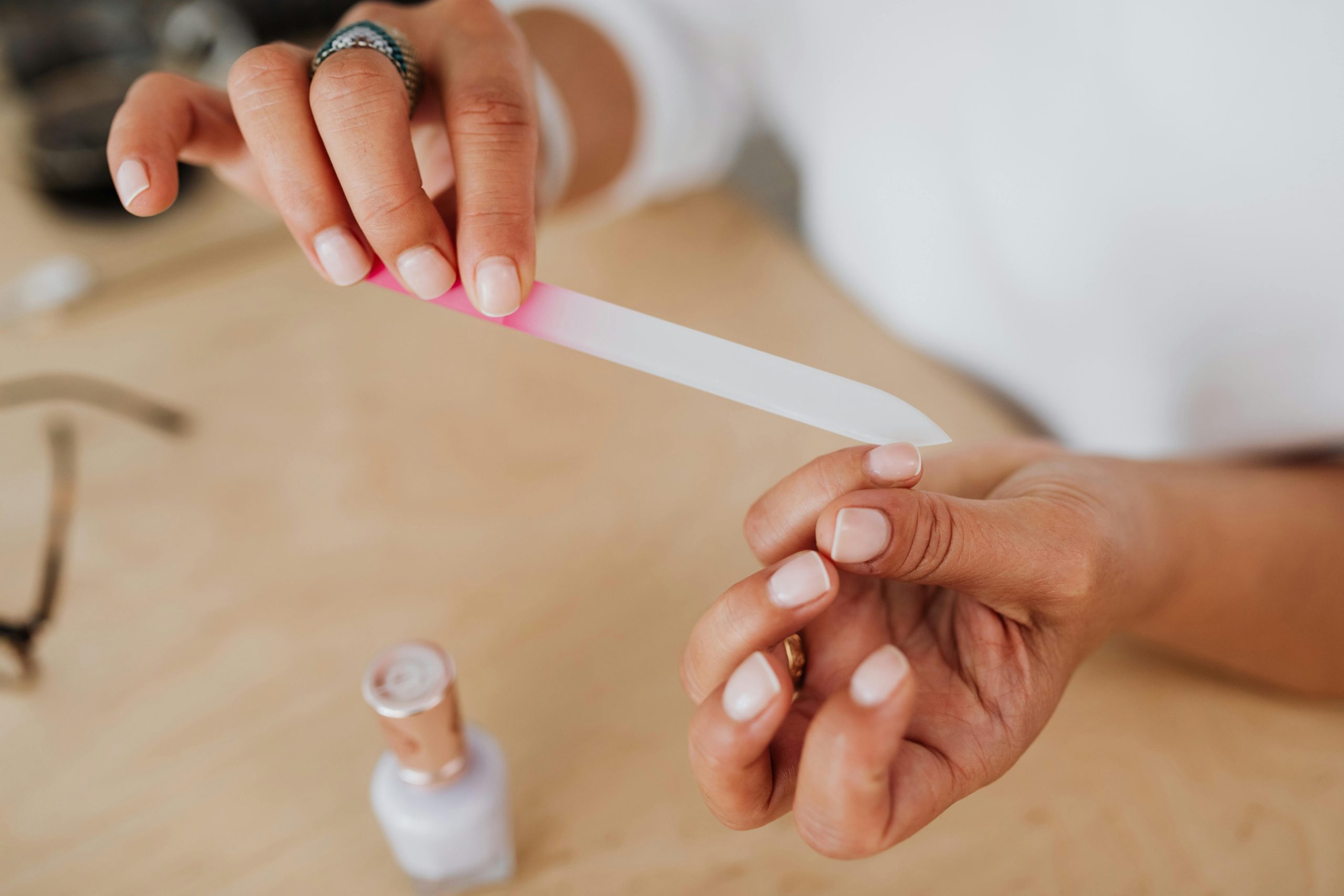
Avoid aggressive buffing or repeatedly filing the natural nail to create extra texture. Excessive filing can thin the nail and make it more vulnerable. The American Academy of Dermatology specifically warns that filing the natural nail too much can weaken it.
Use the preparation steps required by your product system and remove only what is necessary.
Professional tip: If a client's nails are already thin, more aggressive prep is unlikely to solve the problem. Your goal should be adhesion and protection, not maximum surface abrasion.
There is no single nail strengthening treatment that works for every client.
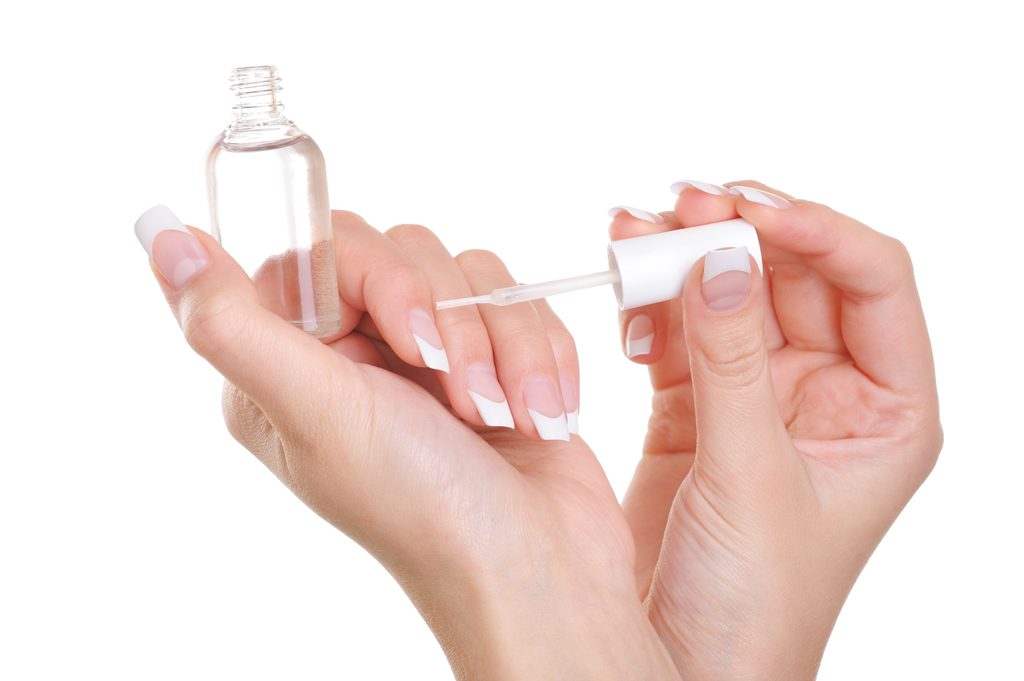
For some clients, keeping the natural nails shorter and using a suitable gel or builder-gel overlay can provide support while the nails grow. This is protection while the product is worn, not a permanent change to the nail itself.
For thin or weak nails, consider:
Avoid automatically choosing the hardest or thickest product. A strong-looking enhancement can still create problems if the nail is already compromised or the service requires excessive filing and removal.
A good application can still be undermined by poor removal.
Never encourage clients to peel, pick or force product from the natural nail. Picking or filing gel away aggressively can cause significant nail damage.
Follow the removal method recommended for the specific product. If it is a soak-off system, allow the product to break down rather than forcing it from the nail.
This is one of the most important nail technician tips for clients who repeatedly experience weak nails: evaluate the entire service cycle, not just the application.
Healthy natural nail care also includes the skin around the nail.
Avoid unnecessary cutting or aggressive pushing of the cuticle. The cuticle helps protect the nail and surrounding tissue from infection.
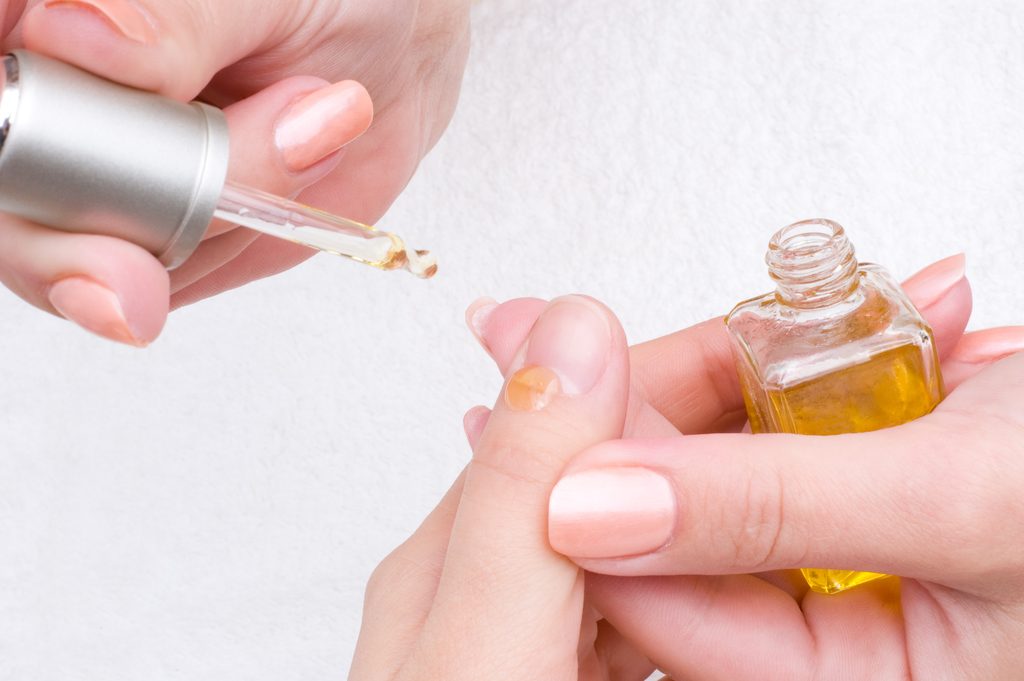
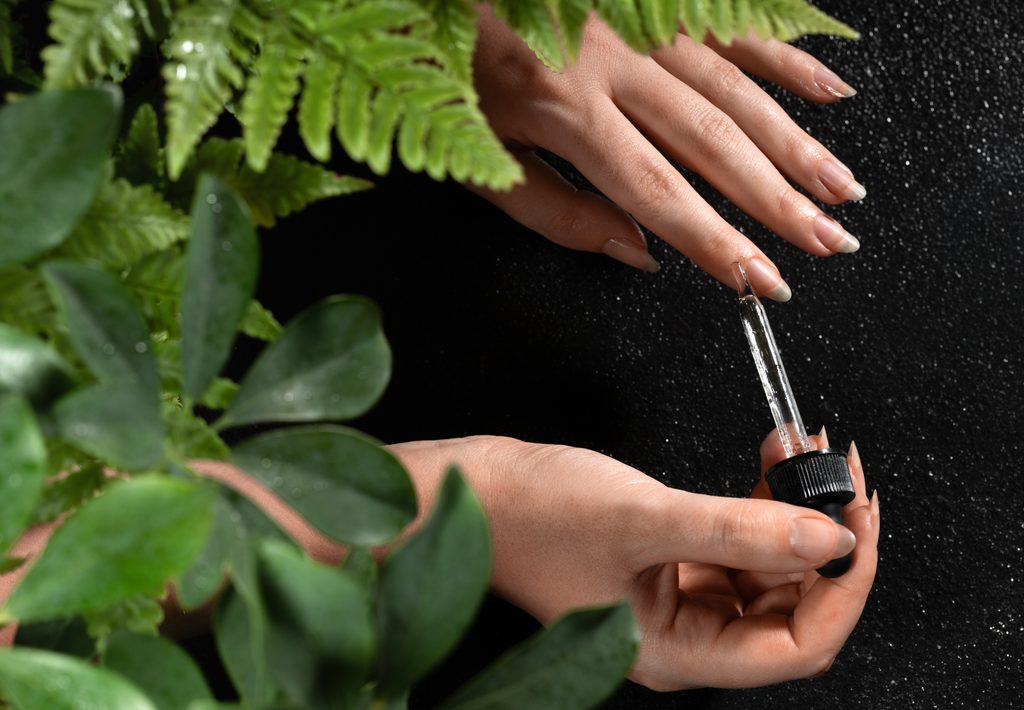
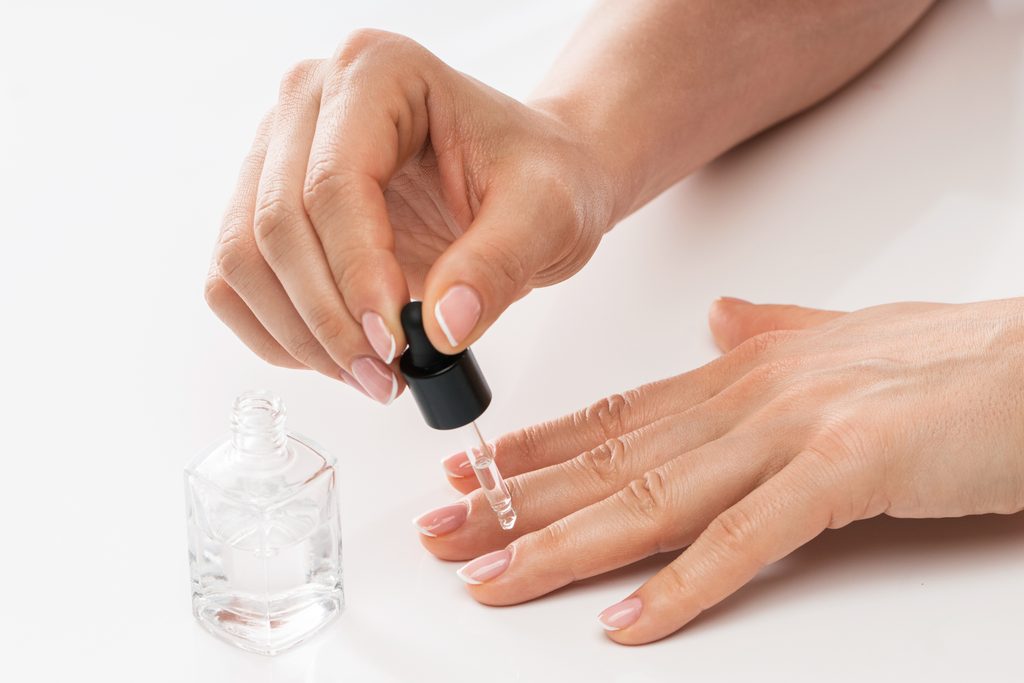
Keep the area conditioned with an appropriate cuticle oil or moisturizer, particularly for clients who frequently wash their hands or work with products that dry the skin.
Moisturizing does not permanently strengthen the nail plate, but it can help reduce dryness and brittleness and support better-looking nails between appointments.
Professional results depend partly on what happens after the client leaves the salon.
To support healthy natural nails, recommend that clients:
These habits can also help answer the common client question: how to prevent nails from breaking between appointments. The NHS recommends protecting nails from prolonged exposure to water and cleaning products and using hand cream regularly.
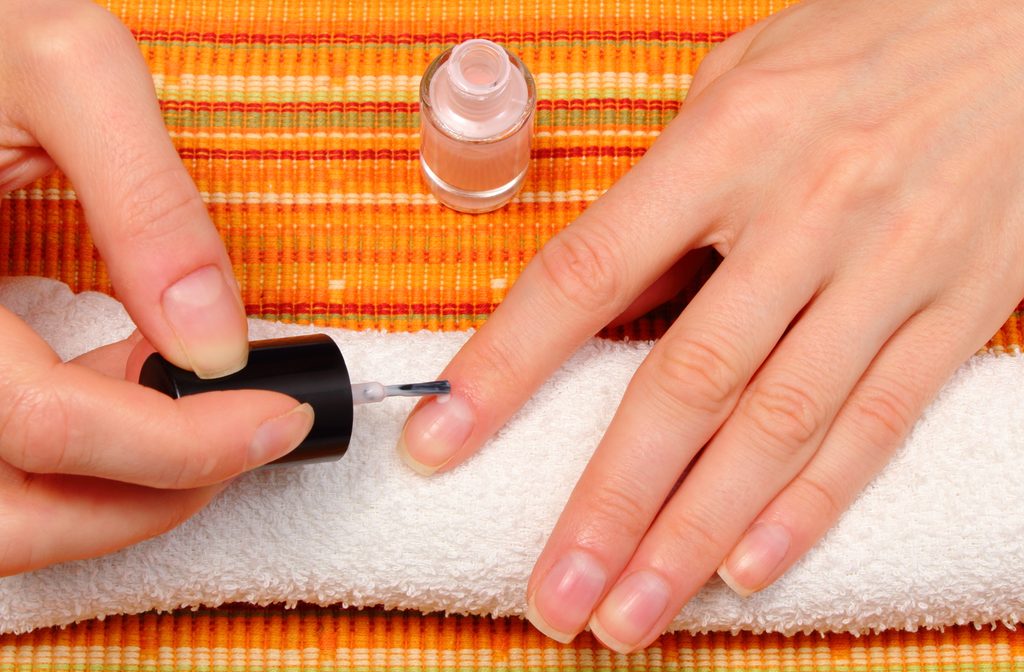
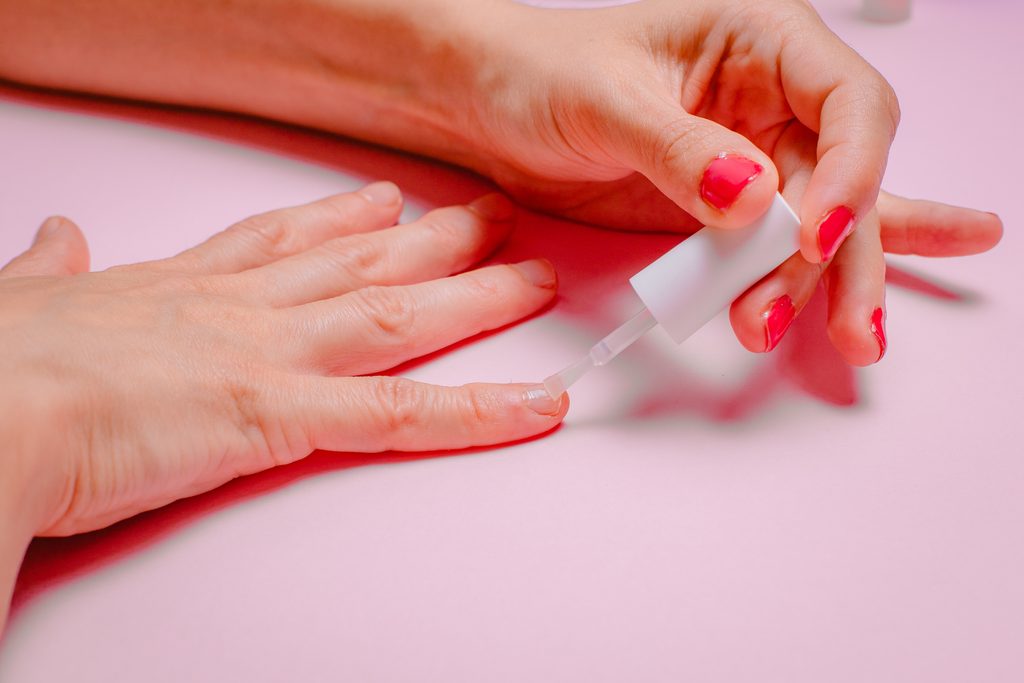
Some techniques may seem helpful but can create additional stress when repeated.
Avoid:
The goal is not to make a damaged nail look healthy temporarily. It is to provide a service that minimizes additional damage while the natural nail grows.
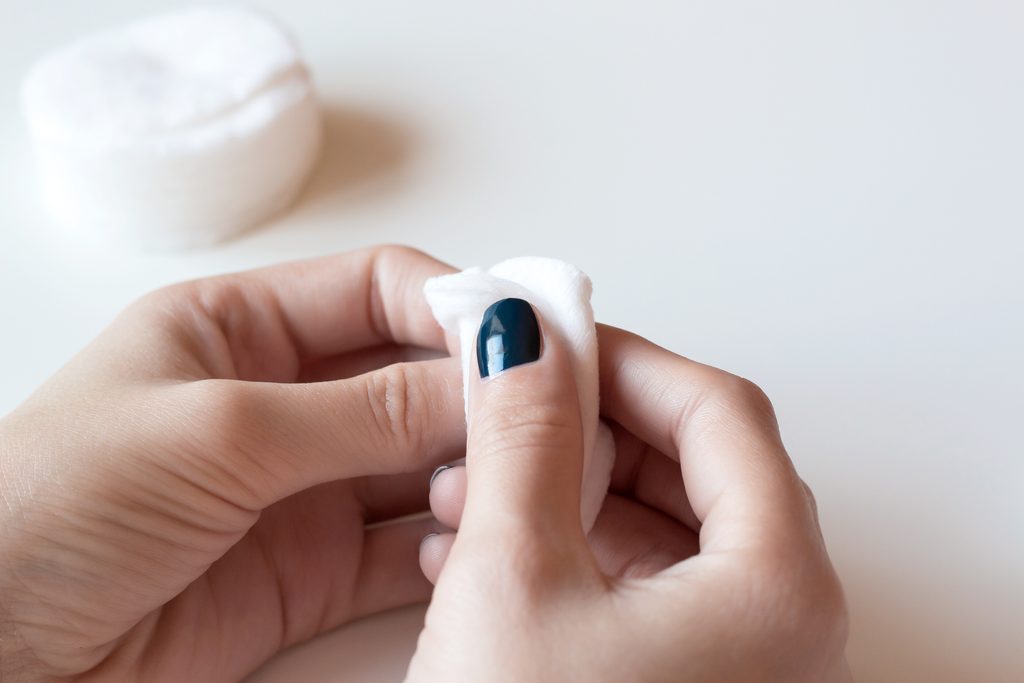
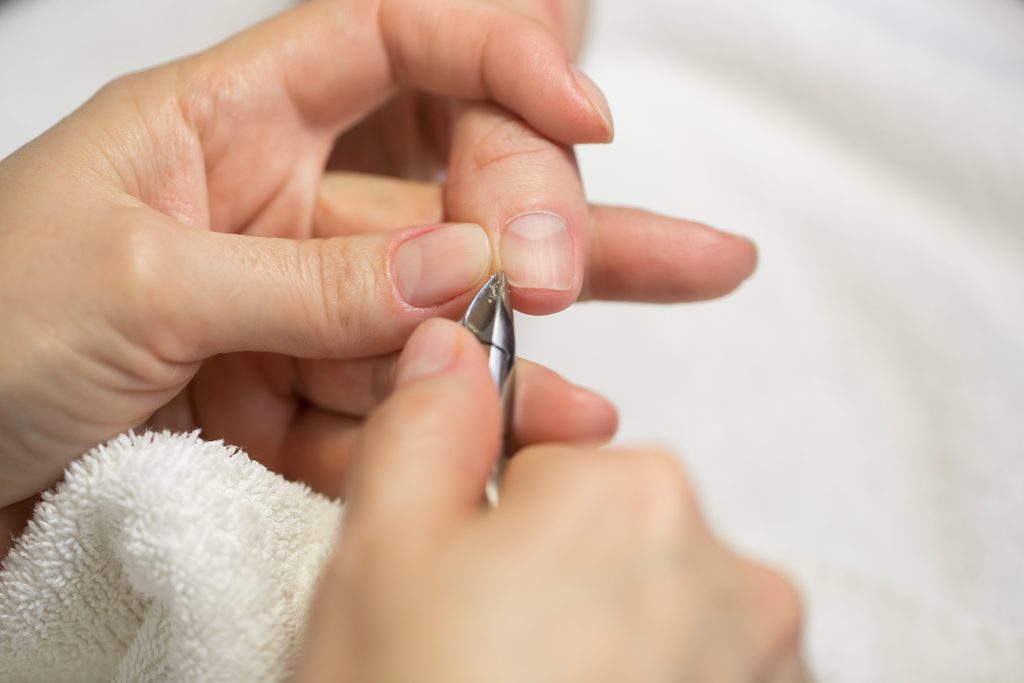
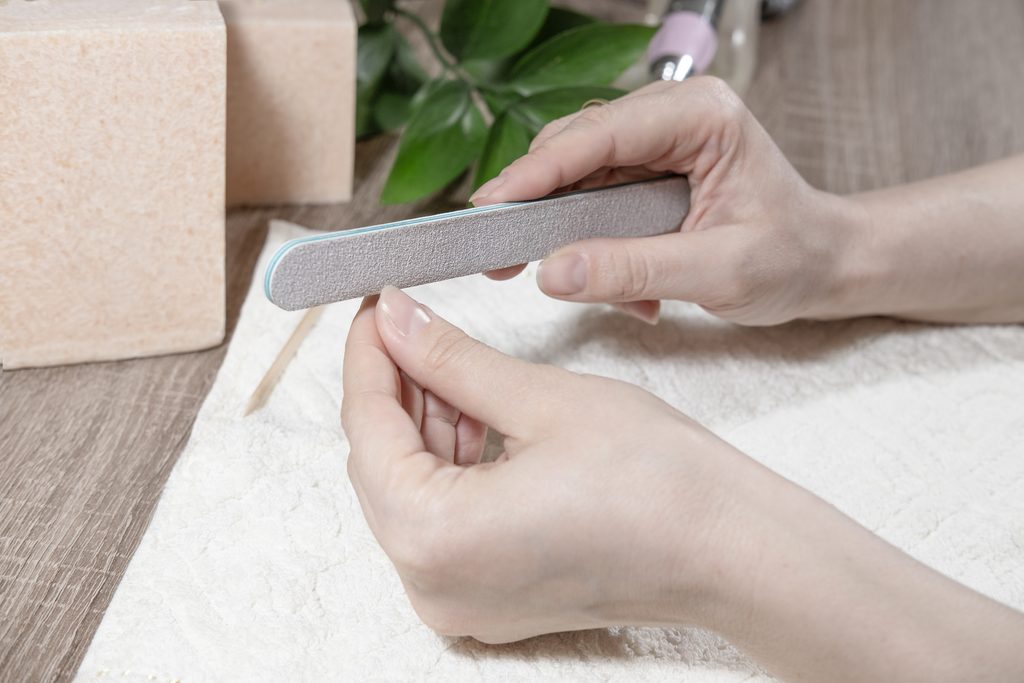
Nail technicians should recognize when a nail concern goes beyond routine cosmetic care.
Recommend professional medical evaluation when a client has an unexplained or persistent change in nail color, shape, thickness, or texture, nail separation, significant pain, or skin around the nail that becomes red, swollen, or warm. Nail changes can sometimes be associated with infection, injury, psoriasis, nutritional deficiencies, thyroid problems, or other medical conditions.
A technician can observe and recommend evaluation, but should not attempt to diagnose the condition.
To strengthen natural nails, focus on reducing damage rather than trying to make the nail artificially harder. Gentle prep, appropriate product selection, careful removal, regular moisturizing, and realistic client aftercare can all support stronger-looking nails over time.
The best professional approach is simple: assess the nail, adapt the service, protect the natural nail, and avoid unnecessary stress.
Builder gel can provide a protective layer and additional structural support while it is worn. It does not permanently strengthen the underlying natural nail, and improper application or removal can cause damage.
Keeping nails at a manageable length, avoiding using them as tools, wearing gloves around cleaning products, moisturizing regularly, and avoiding picking or peeling products can help reduce breakage.
Nail oil can help moisturize the nail and surrounding skin and support better natural nail care. It should be viewed as a conditioning step rather than a permanent nail-strengthening treatment.
Refer clients when they have unexplained or persistent changes in nail color, shape, texture, thickness, attachment, or surrounding skin. Nail technicians should not attempt to diagnose underlying nail conditions.