Top Nail Supply Stores in Cana
If you're searching for the best nail supply stores in Canada, you're not alone. With the beauty…

Latest Updates

Interesting Article

If you're searching for the best nail supply stores in Canada, you're not alone. With the beauty…
Is $40 a lot for a gel manicure in Canada? Generally, no. A $40 CAD gel or…

Gel VS Acrylic: Gel VS Acrylic - Which manicure service should you choose?When it comes to achieving…

Hair Salons in Canada offer remarkable talent, creativity, and personalized care, and choosing the right stylist can…
Nails Salons
Hair Salons
SPA
Skincare Clinic

Beauty has long been part of everyday life in Canada. Regular hair appointments, manicures, and skincare routines once felt routine rather than optional. In 2026, that assumption is quietly changing. Beauty spending in Canada is no longer automatic. Instead, Canadians are making deliberate decisions about when, where, and how they invest in beauty.
This shift does not signal a rejection of beauty or self-care. It reflects a broader reprioritization shaped by inflation, rising living costs, and growing access to at-home alternatives. Beauty still matters—but it is no longer treated as a default expense.
Across the country, households are reassessing discretionary spending. Essentials such as housing, groceries, transportation, and utilities now take priority, forcing consumers to scrutinize non-essential categories more closely.
This explains why Canadians are spending less on beauty overall, while still selectively investing in services that feel worth the cost. Instead of frequent routine appointments, consumers are spacing visits, choosing high-impact services, or replacing certain treatments with at-home maintenance.
This behavioral shift aligns closely with broader Canadian beauty industry trends for 2025, where intention replaces habit and value replaces frequency.
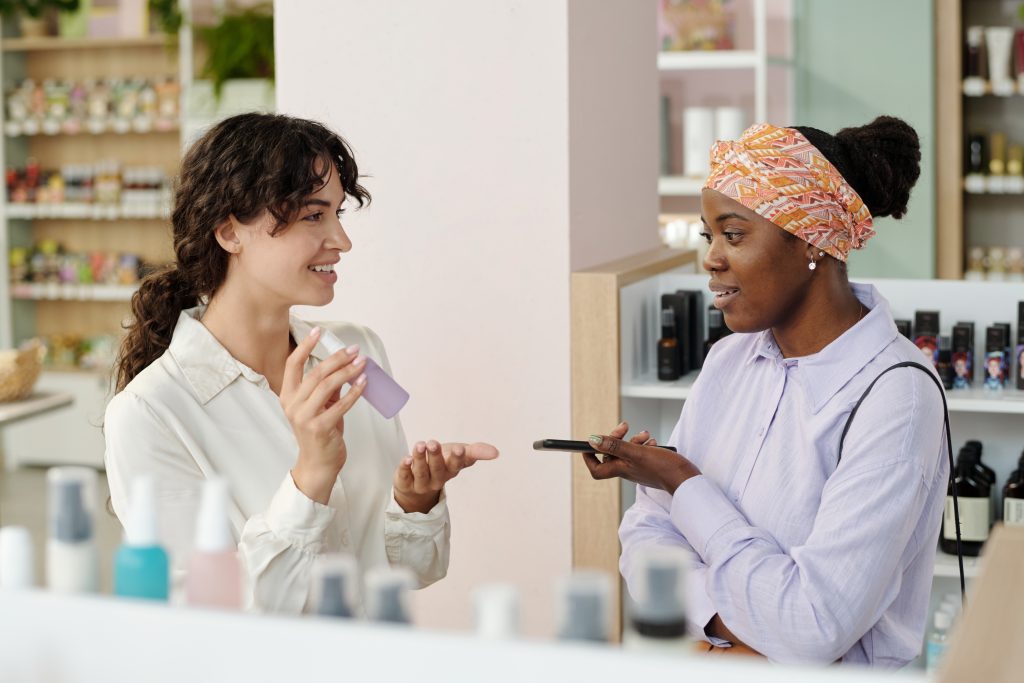

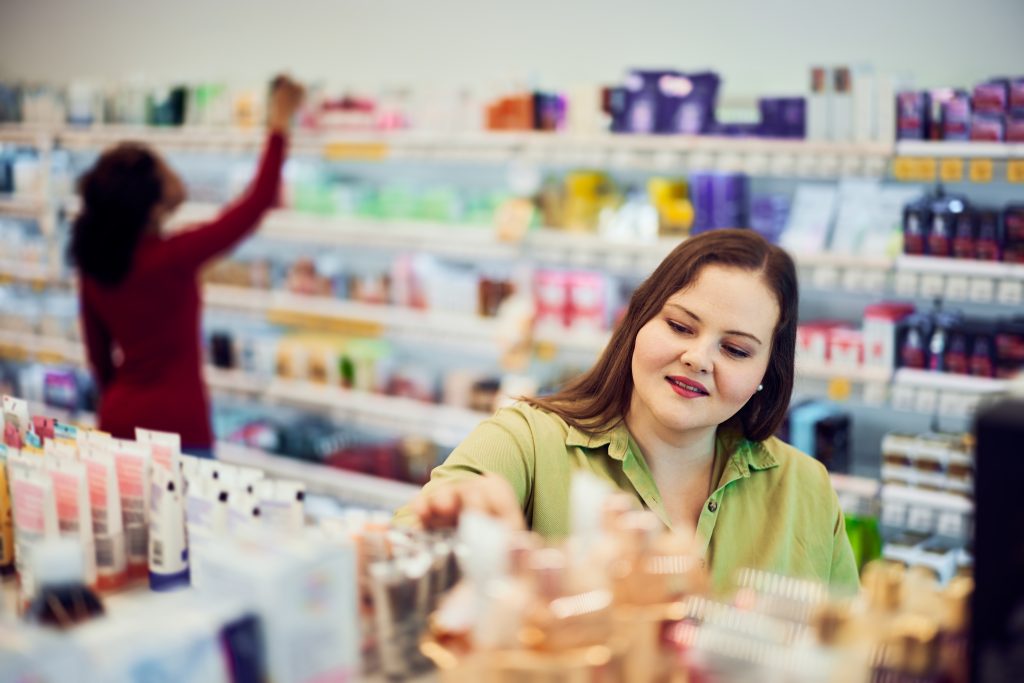
Despite slower discretionary spending, the beauty sector remains economically significant.
Industry data shows that the hair and nail salons industry in Canada grew at a compound annual rate of 5.4% over the past five years, reaching an estimated $5.8 billion in value. However, growth is stabilizing, with projections indicating only a 0.7% increase in 2025.
At the same time, consumer behavior is evolving:
The takeaway is clear. The industry is not shrinking—it is recalibrating. Growth now depends on relevance and trust, not volume alone.



One of the biggest drivers behind changing beauty spending in Canada is the rise of DIY beauty culture. Social platforms have made professional techniques more accessible, allowing consumers to maintain results at home.
However, not all services are equal.
| Service | Frequency | Why Professionals Matter | At-Home Alternative |
|---|---|---|---|
| Hair Color & Balayage | 12–16 weeks | Chemical safety & precision | Color-depositing masks |
| Nail Art & Extensions | 3–4 weeks | Structure & hygiene | High-quality press-ons |
| Scalp Treatments | 8 weeks | Diagnostics & detox | Scalp massagers & serums |
| Complex Chemical Services | N/A | High risk | Not recommended |
| Advanced Extensions | N/A | Longevity & installation | Not recommended |
This clarity helps consumers make informed decisions—reinforcing trust rather than encouraging overspending.
Modern beauty spending decisions follow a clear logic:
This mindset explains why beauty is becoming optional in frequency, not in importance.


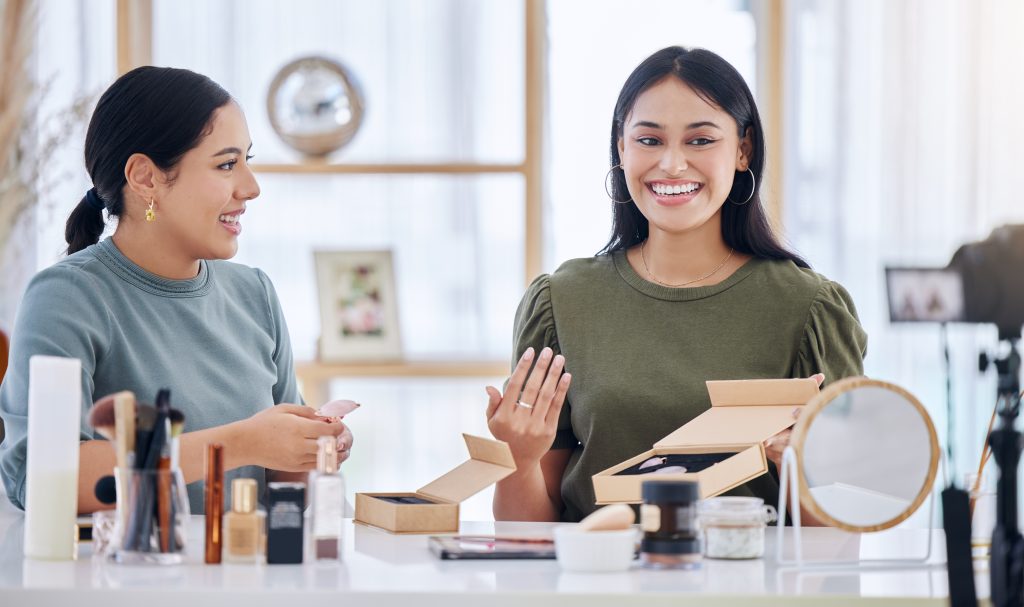
While Canadians may book fewer appointments, they are more willing to pay for experiences that deliver visible, long-term value. Personalized care, education, and professional expertise continue to justify in-person visits.
This shift defines the future of beauty services in Canada. Quality, trust, and results now matter more than routine scheduling.

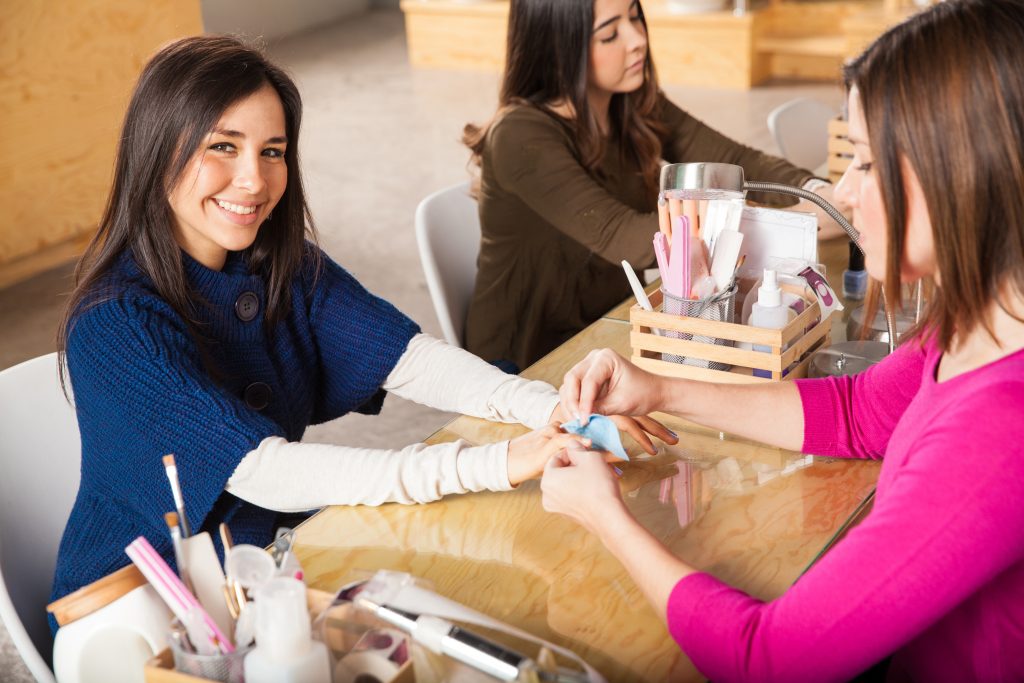

Beauty is no longer about keeping up with fixed schedules. It’s about balance:
This approach reflects a more informed, intentional form of self-care—one that adapts to modern economic realities.
Beauty is becoming more intentional, not irrelevant. Canadians still value beauty but prioritize when and how they spend.
Inflation, higher living costs, and access to DIY alternatives influence spending behavior.
Hair color, nail structure services, scalp health treatments, and corrective work remain best handled by professionals.
Intentional spending, premium experiences, professional-grade home maintenance, and education-based services.
Find local options: Explore beauty and wellness businesses across Canada in the Beauty Bloom directory.

New Canadian beauty sales data shows prestige beauty reached $2.2 billion in the first half of 2026, with hair leading growth. Here’s what salon and spa professionals should watch.